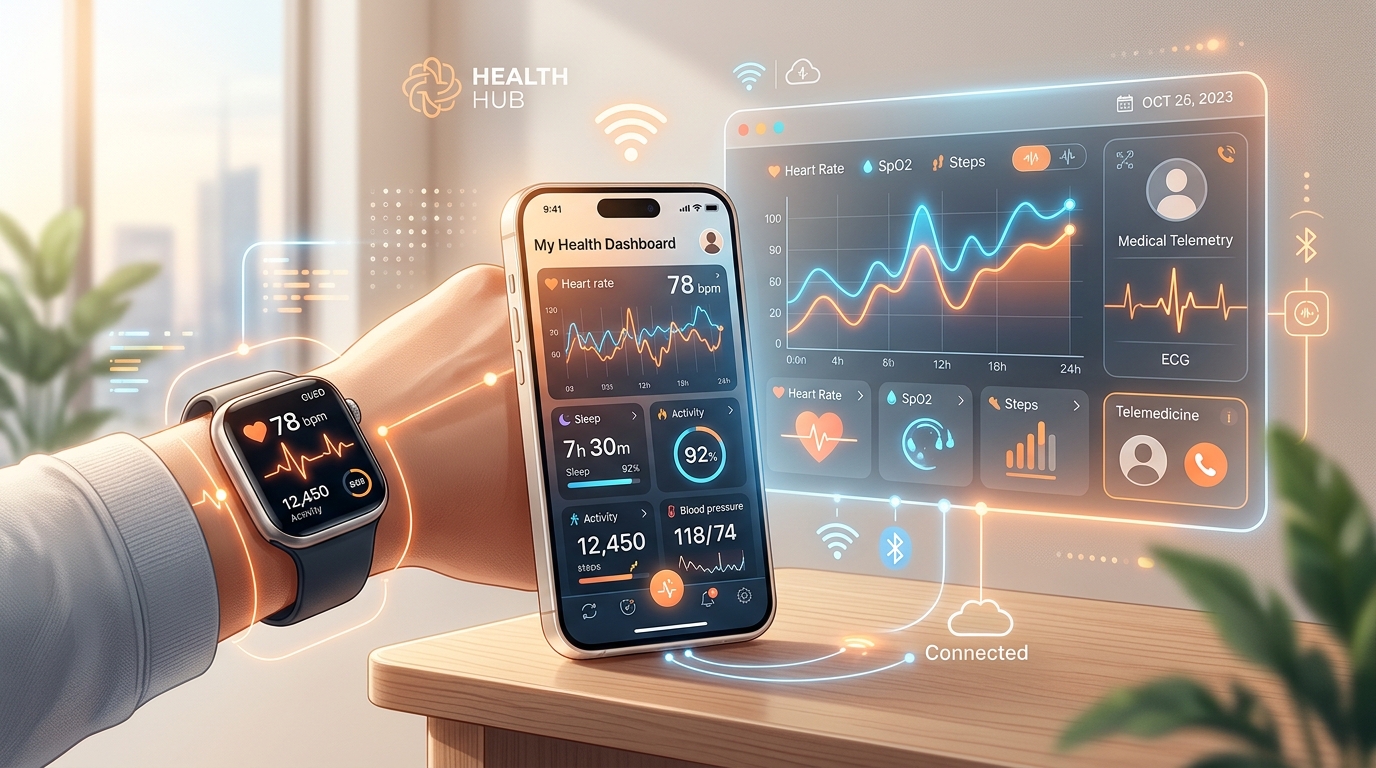
The integration of technology into healthcare is no longer confined to multispeciality hospital intensive care units. Today, Bluetooth-connected blood pressure monitors, continuous glucose sensors (CGMs), smart pulse oximeters, and mobile health record applications are putting clinical-grade monitoring tools directly into Indian households.
For millions of families managing hypertension, diabetes, and cardiovascular conditions, these connected tools are bridging the critical gap between occasional clinic appointments and everyday lifestyle management.
Moving Beyond Infrequent Clinic Visits
Traditionally, vital signs were evaluated only during brief 10-minute outpatient visits. This snapshot approach has known clinical blind spots. Many patients suffer from 'white-coat hypertension'—elevated readings triggered by clinic anxiety—while others experience normal readings in the morning but dangerous spikes during stressful evenings.
Connected home health devices solve this by capturing real-world longitudinal data in the patient's natural environment.
Essential Smart Devices for Modern Households
Here are the most impactful smart health technologies making a difference in family wellness:
- Smart Digital Blood Pressure Monitors: Devices that record morning and evening systolic/diastolic readings with exact timestamps, eliminating the inaccuracies of handwritten paper diaries.
- App-Connected Glucometers: Testing strips and meters that log fasting and post-meal glucose directly onto a smartphone, producing visual graphs that highlight glycemic spikes.
- Wearable Fitness & Pulse Trackers: Smartwatches with validated optical sensors that track resting heart rate, sleep quality, daily step counts, and early indicators of atrial fibrillation.
- Digital Peak Flow Meters & Spirometers: Crucial for children and elderly relatives suffering from chronic asthma or bronchitis, tracking lung capacity changes before acute attacks occur.
Turning Daily Vitals into Actionable Clinical Insights
A single blood pressure reading of 145/92 mmHg can cause anxiety. But viewed in context—as an isolated spike after a poor night's sleep amidst three weeks of stable 120/80 mmHg averages—your physician sees a completely different picture.
By aggregating daily measurements into structured digital health profiles, patients provide doctors with high-confidence baseline trends rather than guesswork.
Supercharging Virtual Doctor Consultations
Telemedicine has become an everyday reality in India, particularly for families seeking expert second opinions from metro specialists. Without data, tele-consults are often limited to verbal descriptions. But when a patient can upload a consolidated PDF report of 30 days of blood pressure readings, latest lab reports, and current prescriptions, remote consultations match the precision of in-person examinations.
Data Privacy & The Digital Personal Data Protection Act
Health records are deeply personal. As digital health adoption accelerates, families must ensure their health apps adhere to India's Digital Personal Data Protection (DPDP) Act, 2023. Look for platforms that guarantee zero third-party commercial data sharing, robust AES-256 encryption, and verifiable user consent models.
- Global Strategy on Digital Health: Connected Ecosystems & Standards →(World Health Organization (WHO))
- Wearable Health Sensors & Home Health Telemetry Research Overview →(PubMed Central (NCBI))
- The Digital Personal Data Protection Act, 2023 →(Ministry of Electronics and Information Technology (MeitY))